Why settle for bland salmon when you can make a restaurant-quality dish with just 10 minutes of prep?
Print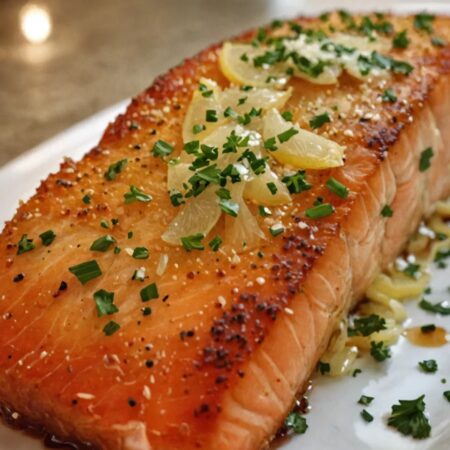
Crispy Parmesan Crusted Salmon Recipe
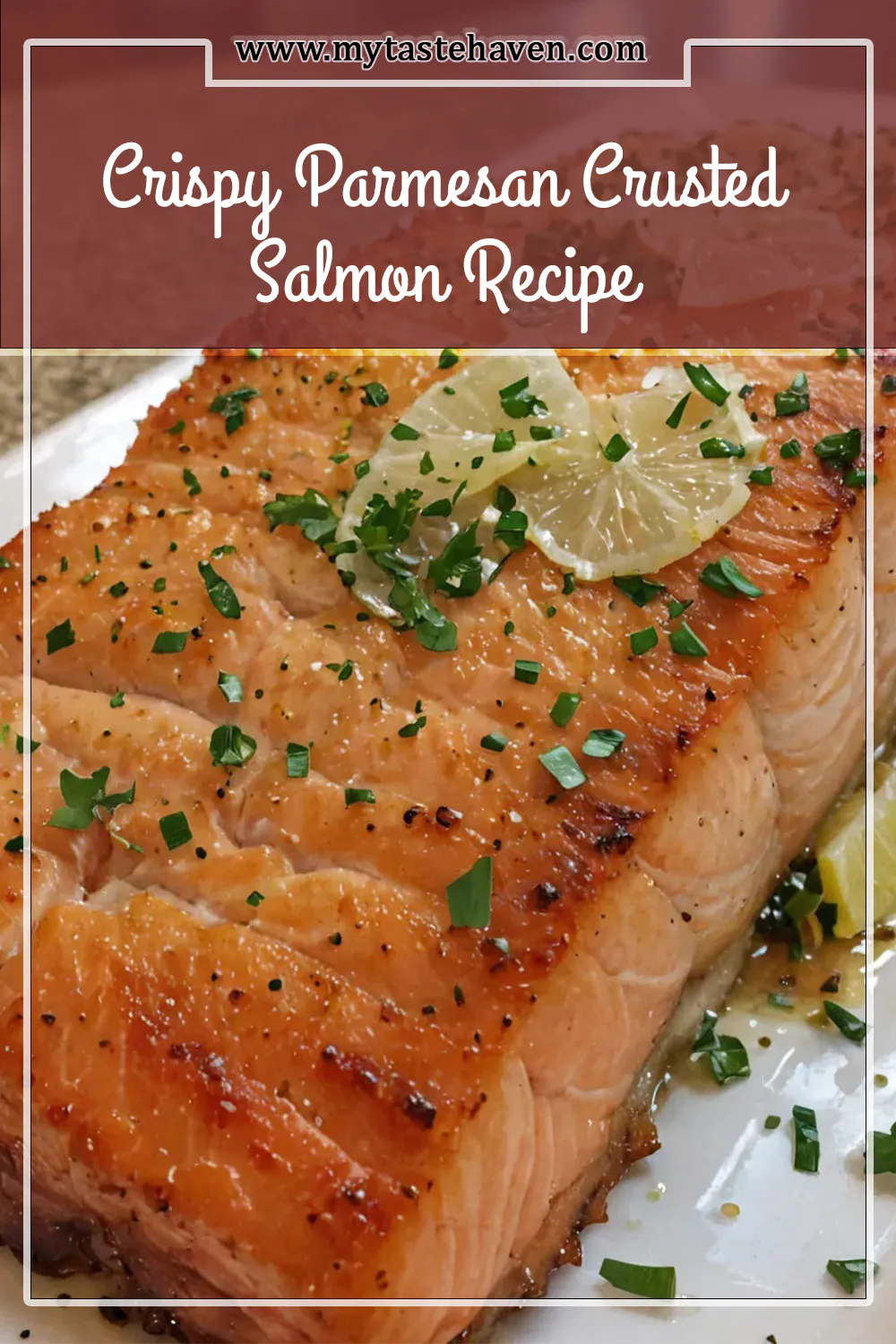
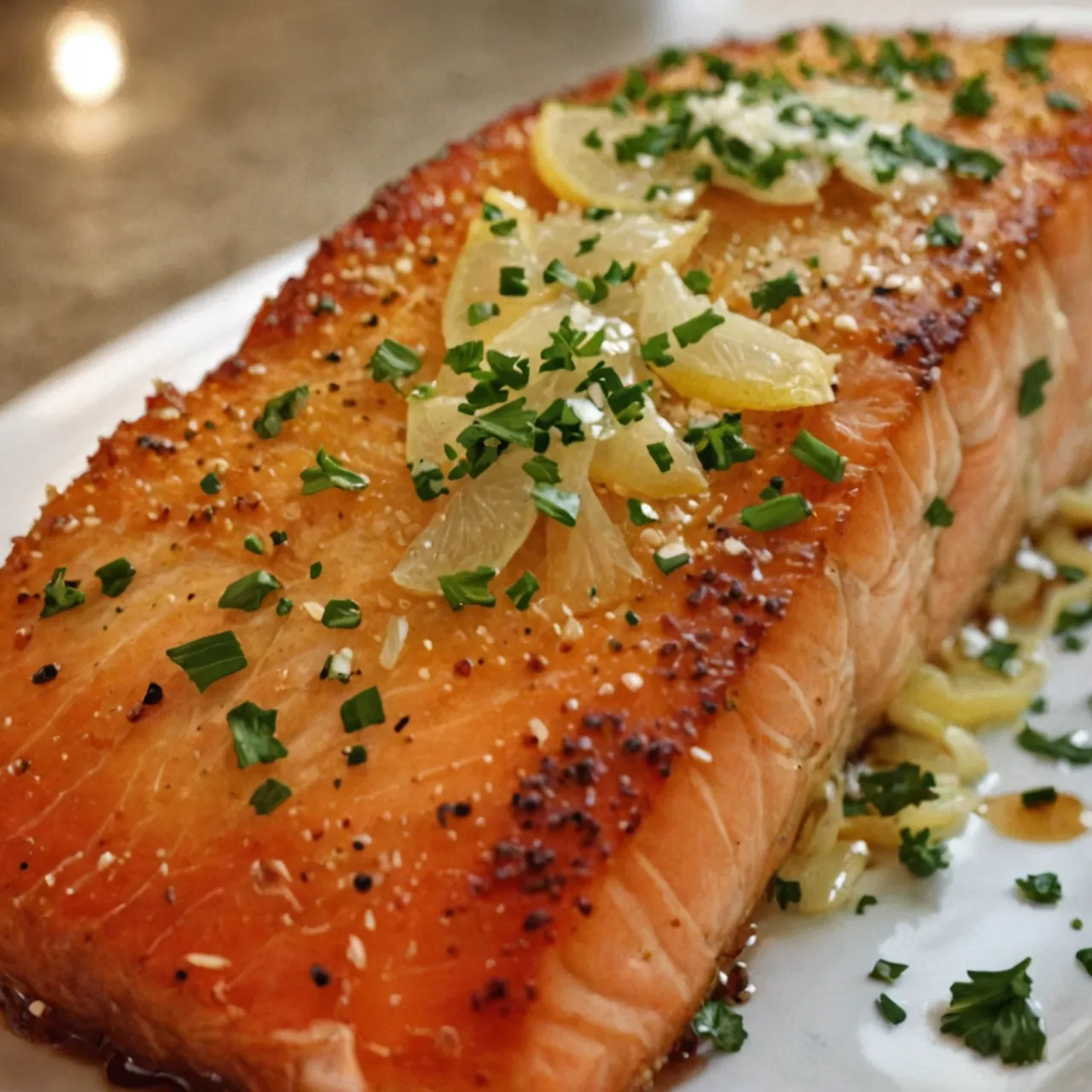
This crispy Parmesan-crusted salmon features a golden, crackling crust made from grated Parmesan, herbs, and garlic powder. The fish is baked to perfection with a tender, flaky interior and a light, flavorful coating. The technique ensures maximum crispness without burning the cheese.
- Total Time: 25
- Yield: 4 1x
Ingredients
✓ 1 1/4 cups grated Parmesan
✓ 1 tablespoon lemon juice
✓ 1/2 teaspoon garlic powder
✓ 1 teaspoon dried parsley
✓ Salt and black pepper to taste
✓ 1 1/2 tablespoons olive oil
✓ 1 1/2 pounds salmon fillet
Instructions
✓ Preheat oven to 425°F
✓ Pat salmon fillet completely dry
✓ Brush top lightly with olive oil
✓ Mix Parmesan crust ingredients in a small bowl
✓ Spread the Parmesan mixture evenly over the top of the salmon
✓ Press gently to make sure it adheres well to the oil-coated surface
✓ Place the salmon on a lined baking sheet
✓ Bake for 12–15 minutes
✓ Let rest for 2–3 minutes before serving
✓ Garnish with fresh lemon juice and fresh parsley
Notes
Let salmon sit at room temperature for 15–20 minutes before seasoning. Use a sharp grater for Parmesan to ensure it sticks well. The crust may slightly lose crispness if prepared up to 30 minutes in advance, but a quick 5-minute reheat brings it back. Store leftovers in the fridge for up to 3 days or freeze for up to 3 months.
- Prep Time: 10
- Cook Time: 15
- Category: Main Course
- Cuisine: American
Nutrition
- Calories: 350
- Sugar: 1
- Sodium: 200
- Fat: 24
- Carbohydrates: 4
- Fiber: 0
- Protein: 32
This crispy Parmesan-crusted salmon recipe delivers golden, flaky texture in under 20 minutes. With no complicated techniques or exotic ingredients, it’s the perfect weeknight meal that still feels special. Fresh salmon gets a golden coating of grated Parmesan, herbs, and garlic powder—then baked to perfection.
The Secret to Crispy Crust
The key to achieving that golden, crackling crust lies in using the right technique. First, pat your salmon fillet completely dry. This removes surface moisture that would otherwise cause steaming instead of crisping. Then, brush the top lightly with olive oil to help the Parmesan adhere and brown evenly.
The oil also creates a barrier between the fish and the cheese, preventing the cheese from burning while still allowing it to crisp. A light coating of olive oil ensures the crust develops a rich, golden color without becoming bitter.
Prepping for Maximum Flavor
Start by preheating your oven to 425°F. This high temperature is essential for creating that quick sear that locks in moisture. While the oven heats, mix your Parmesan crust ingredients in a small bowl: ¼ cup grated Parmesan, 1 tablespoon lemon juice, ½ teaspoon garlic powder, and 1 teaspoon dried parsley. Season with salt and black pepper to taste.
Use a sharp grater to ensure your Parmesan is finely grated. Coarse grates won’t stick well and may fall off during baking. If you don’t have fresh herbs, dried ones work just as well—just ensure they’re not old or past their prime.
Why Salmon Fillet Matters
A ½-pound salmon fillet is ideal for this recipe. It’s thick enough to stay juicy while thin enough to crisp properly. Thicker cuts will take longer to cook through, and thinner ones risk overcooking and drying out.
Choose wild-caught or farm-raised salmon depending on preference. Wild salmon has a richer flavor and firmer texture, while farm-raised is more affordable and tender. Either works great here, as long as it’s fresh and properly thawed if frozen.
The Perfect Crust Application
Spread the Parmesan mixture evenly over the top of the salmon. Press gently to make sure it adheres well to the oil-coated surface. Don’t worry if it looks a bit sparse—this is a light crust, not a heavy coating.

If you’re making extra, you can also use the remaining crust to coat other proteins like chicken or tofu. The same technique works beautifully on both.
Baking Time and Temperature
Place the salmon on a lined baking sheet and bake for 12–15 minutes. The exact time depends on thickness, so check at 12 minutes. The edges should pull away from the pan slightly, and the center should still be slightly translucent.
Don’t overcook the salmon. It should be tender and flaky, not dry. Internal temperature should reach 145°F, but many prefer it slightly underdone for the best texture.
Finishing Touches for Freshness
Once out of the oven, let the salmon rest for 2–3 minutes. This allows the juices to redistribute and makes for a more tender bite. Garnish with a squeeze of fresh lemon juice and a sprinkle of fresh parsley for brightness.
The contrast between the buttery salmon and the salty, nutty Parmesan creates a satisfying flavor profile. The garlic powder adds a subtle depth that elevates the dish without overpowering the fish.
Storage and Make-Ahead Tips
You can prepare the salmon up to 30 minutes in advance. Keep it uncovered and refrigerated until ready to bake. The crust may slightly lose its crispness, but a quick 5-minute reheat in the oven brings it back to life.
Leftovers store well in the fridge for up to 3 days. Reheat gently in the oven at 350°F to maintain the crust’s texture. It’s also freezer-friendly for up to 3 months.
Common Mistakes and How to Avoid Them
One of the most common errors is using cold salmon straight from the fridge. Let it sit at room temperature for 15–20 minutes before seasoning. Cold fish won’t crisp properly and can result in a soggy crust.
Another mistake is using coarse Parmesan. It won’t stick and can create an uneven texture. Grate it fresh, or use pre-grated if you must, but avoid block Parmesan that’s been sitting too long.
Ingredient Substitutions That Actually Work
Swap the dried parsley for fresh if available. Dried parsley loses much of its flavor over time, so fresh gives a more vibrant taste. If you don’t have lemon juice, a splash of white wine vinegar works as a tangy substitute.
For those avoiding dairy, try using nutritional yeast instead of Parmesan. It offers a similar umami-rich flavor and can provide a similar crust texture when combined with garlic powder and herbs.
Why This Recipe Works Every Time
The technique relies on a balance of heat, timing, and texture. High heat creates the crust, while the right amount of time ensures the salmon stays tender. Olive oil ensures the crust adheres and browns evenly, while the Parmesan adds a nutty, salty flavor that complements the mildness of salmon.
The lemon juice not only brightens the dish but also helps cut through any richness, leaving your palate refreshed. It’s a simple flavor profile, but each element is essential.
Variations to Keep It Fresh
Try adding a pinch of paprika to the crust for a subtle smoky note. Or, include a dash of chili flakes for a kick of heat. For a more herbaceous twist, add thyme or oregano to the crust blend.
You can also serve this with a side of roasted vegetables or a light salad to balance the richness. The dish pairs especially well with asparagus or green beans.
Final Thoughts
This Parmesan-crusted salmon recipe is a versatile, easy-to-follow dish that’s perfect for weeknights or entertaining. It’s quick, flavorful, and uses ingredients you likely already have in your kitchen.
The beauty of this dish lies in its simplicity—just a few ingredients, some prep time, and a hot oven. It’s a great way to showcase the natural flavor of salmon while adding a little gourmet flair.